

Part 2: How AI Is Moving from Concept to Execution – Highlights from POSSIBLE 2026 in Miami

🔙 Missed the beginning? Start with Part 1 →How AI Is Reshaping Marketing Itself – Highlights from POSSIBLE 2026 in Miami
- ■Session Highlight 3 – AI Without Infrastructure Is Just Noise (Putting the Intelligence Back in AI)
- ■Session Highlight 4 – AI Is Changing Creativity — But Human Taste Still Matters (The AI Storytelling Revolution: Bridging the Gap Between Creator and Consumer)
- ■ AI Verse — From AI Experimentation to Organizational Transformation
- ■Final Reflection
■Session Highlight 3 – AI Without Infrastructure Is Just Noise (Putting the Intelligence Back in AI)
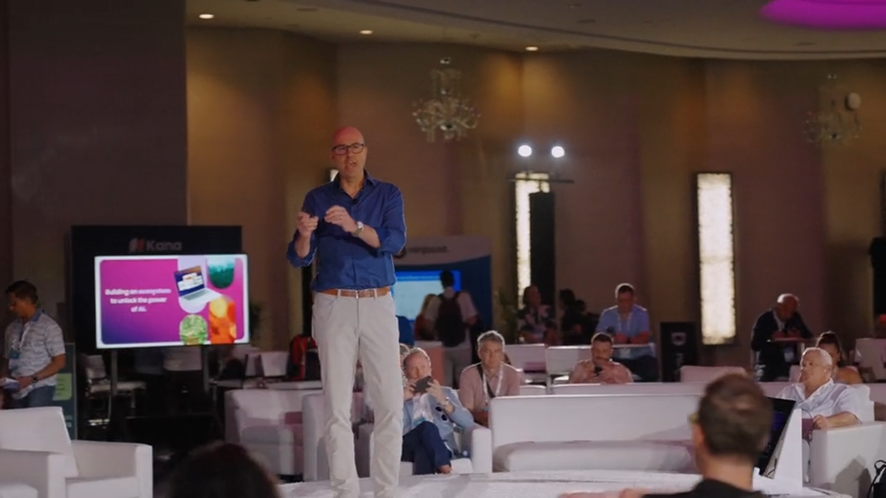
Another major theme at POSSIBLE 2026 was that AI alone is no longer the competitive advantage. The real differentiator is the ecosystem behind it. In a practical session led by Andrew Swinand, the focus shifted from AI hype to implementation reality.
As he stated:
“AI is not the strategy. AI is an enabler.”
The session argued that while many companies are experimenting with AI, very few are actually operationalizing it at scale. The problem is not the AI model itself. It is the lack of connected infrastructure underneath it.
To make AI work effectively, companies need:
- Structured Digital Asset Management (DAM)
- Connected data and orchestration systems
- Metadata and feedback loops
- AI agents integrated into workflows
Swinand emphasized that clean and organized content systems are now critical for enabling AI.
“Digital asset management is one of the most important decisions brands can make in enabling AI.”
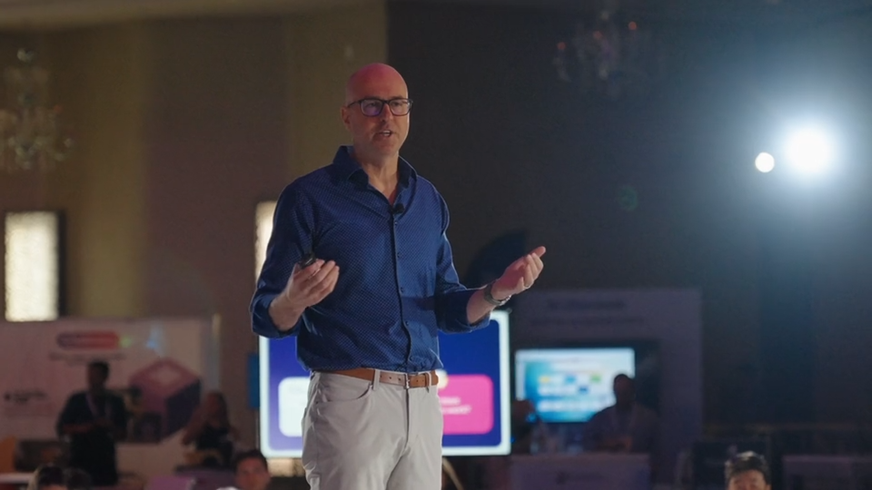
(CEO Andrew Swinand, ITG)
Without structured data, AI cannot properly personalize, automate, or scale content operations. The session also challenged the common narrative around cost reduction. Instead, AI was positioned as a growth driver powered by personalization and operational efficiency.
“It’s not spend less. It’s do more that’s smarter.”
Across POSSIBLE 2026, one message became increasingly clear: AI is no longer about isolated tools.
It is about building connected systems where data, automation, and human judgment work together.
■Session Highlight 4 – AI Is Changing Creativity — But Human Taste Still Matters (The AI Storytelling Revolution: Bridging the Gap Between Creator and Consumer)
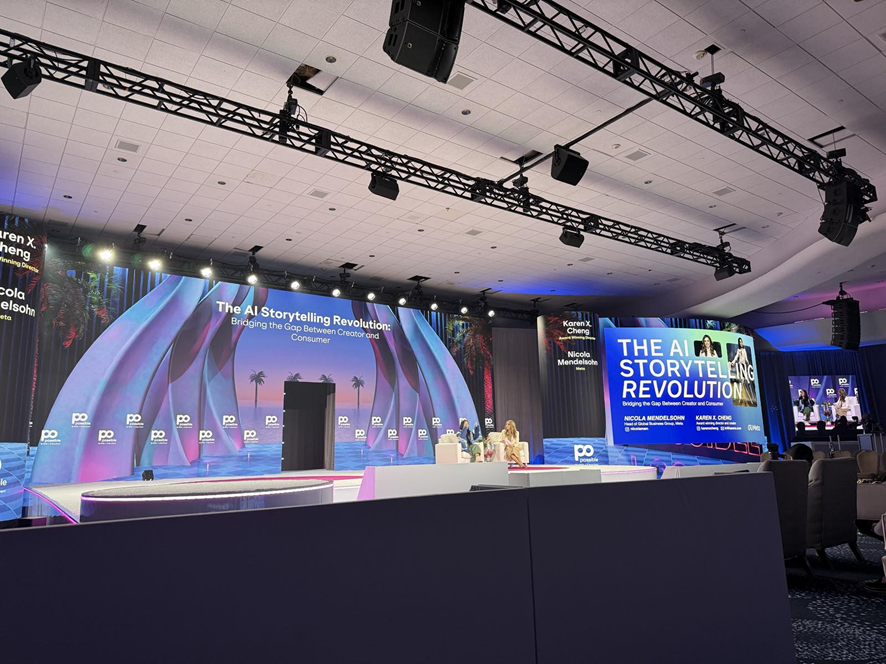
(From left: Award-winning Director Karen X. Cheng; Head of Global Business Group Nicola Mendelsohn, Meta)
Another standout session at POSSIBLE 2026 explored how AI is rapidly transforming the creative process itself. In a conversation between Meta and creator Karen X. Cheng, the discussion focused not only on AI tools, but on how creators are adapting to a world where production speed and creative workflows are being fundamentally rewritten. Cheng openly described the moment she realized that many of the camera tricks and visual effects that built her audience could now be replicated by AI.
“I kind of had an existential meltdown.”
However, after spending countless hours experimenting with AI video tools, her perspective changed.
“This is what I could gain from AI.”
She explained that AI now allows creators to produce ideas in minutes that previously required days of manual editing and production. At the same time, both speakers emphasized that technology alone is not enough. One of Cheng’s strongest warnings to brands was:
“The number one mistake that I see brands making is that they overly rely on AI as the headline.”
Instead, creative quality and originality still matter most.
“Your work needs to be able to stand on its own, regardless of whether you use AI or not.”
The session also highlighted how creators are increasingly acting less like individual producers and more like creative directors orchestrating AI-assisted workflows. Cheng described this shift as becoming:
“More of a conductor of the orchestra.”
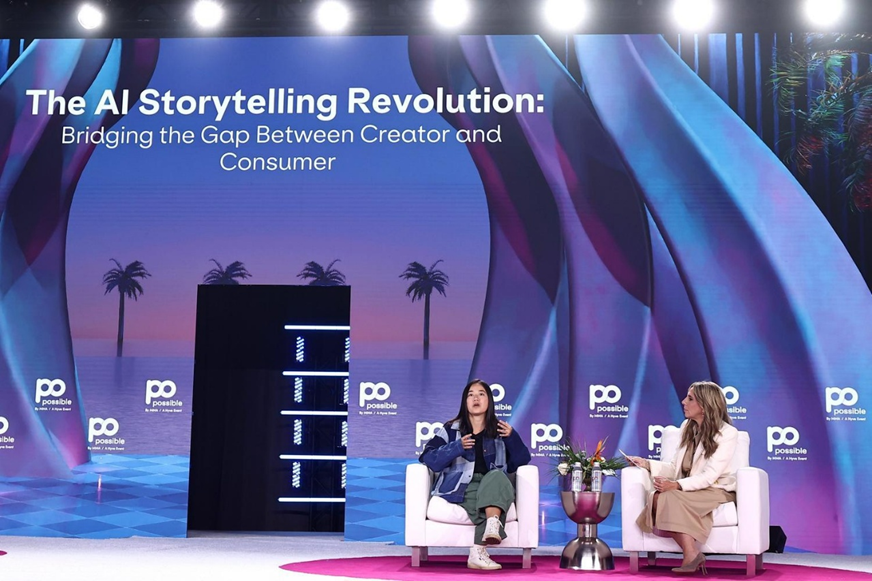
(Award-Winning Director Karen X. Cheng)
Perhaps the most important takeaway was that AI does not replace creativity—it changes where human value exists. As AI automates production tasks, human creativity becomes more focused on taste, direction, storytelling, and emotional connection. Across POSSIBLE 2026, this idea appeared repeatedly: AI may accelerate creation. But human perspective still defines meaning
■ AI Verse — From AI Experimentation to Organizational Transformation
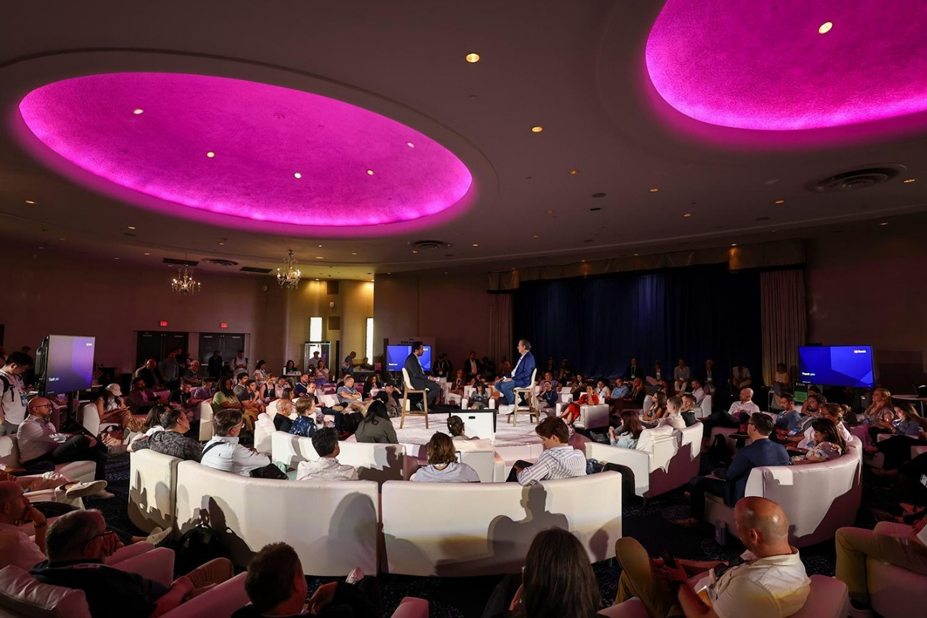
One of the biggest additions to POSSIBLE 2026 was the newly introduced “AI Verse” area — a dedicated stage and exhibition space focused entirely on AI-driven marketing transformation. Rather than treating AI as a future concept, AI Verse positioned AI as an operational reality already reshaping marketing organizations today. Across sessions, discussions centered less on AI tools themselves and more on the systems required to make AI scalable and effective inside enterprises.
Common themes included:
- AI-ready data infrastructure
- Workflow orchestration
- Governance and transparency
- Personalization at scale
- AI agents and automation
- Human decision-making in AI environments
A clear shift could be felt throughout the program. The conversation was no longer about whether companies should adopt AI. Instead, the focus had moved toward how organizations should redesign workflows, operations, and marketing structures around AI-enabled systems.
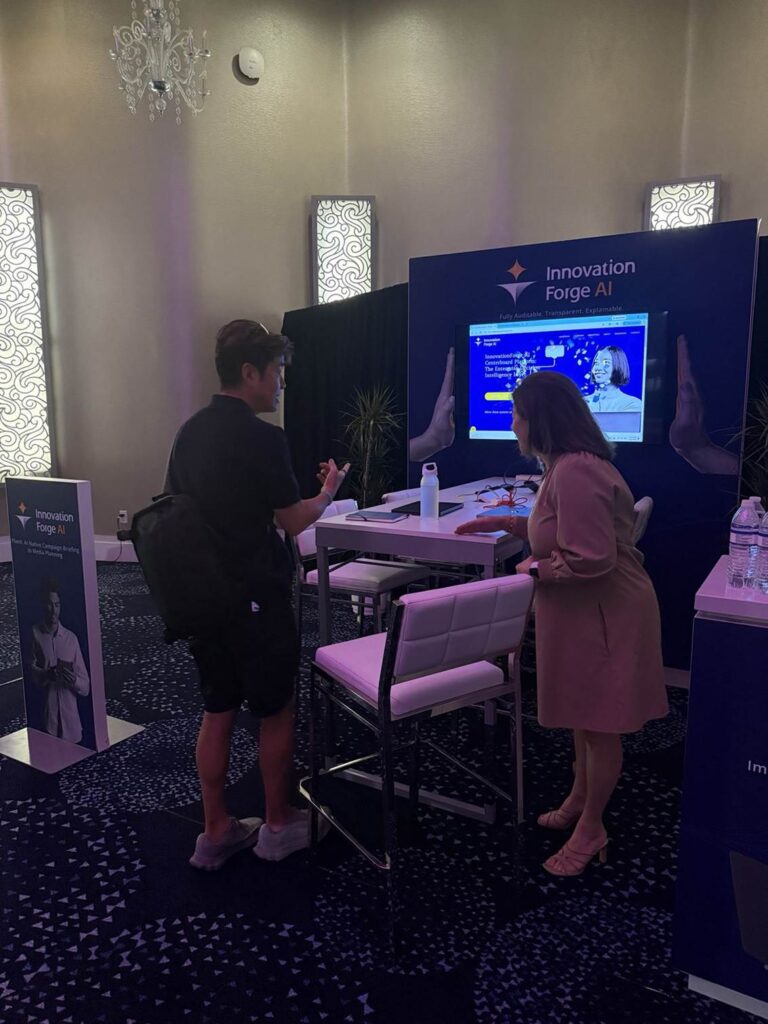
Surrounding the AI Verse stage, companies such as Innovation Forge AI, ITG, GWI, NinjaCat, Rembrand, and HYPERVSN showcased solutions related to:
- marketing intelligence
- AI-powered creative operations
- data integration
- AI-driven personalization
- measurement and reporting automation
- immersive brand experiences
What stood out compared with many AI discussions in Japan was the stronger emphasis on operational integration and enterprise-scale implementation. Rather than focusing primarily on productivity tools or generative AI demos, many North American companies were positioning AI as infrastructure directly connected to business operations, customer intelligence, and decision-making systems. Throughout POSSIBLE 2026, one message became increasingly clear:
The industry has already moved beyond asking, “How do we use AI?”
The new challenge is:
“How do we redesign marketing organizations for a world where AI is built into everything?”
■Final Reflection
Attending POSSIBLE 2026 offered a clear view into how rapidly marketing, technology, and media are evolving together. What stood out most this year was that AI itself no longer felt like a standalone topic. Instead, discussions focused on how organizations, workflows, and customer experiences must evolve in a world where AI is already embedded into everyday marketing operations. Across the event, themes such as trust, connected ecosystems, operational AI, and data infrastructure repeatedly emerged — signaling that the industry is moving beyond experimentation and into a new phase of transformation.
The expanded venue across Fontainebleau, Eden Roc, and the Miami Beach area also created a uniquely interactive atmosphere where sessions, networking, and business conversations blended seamlessly together. While experiencing the energy of Miami’s beachside setting, POSSIBLE 2026 felt not only like a marketing conference, but also like a glimpse into where the future of marketing, technology, and media is heading next.
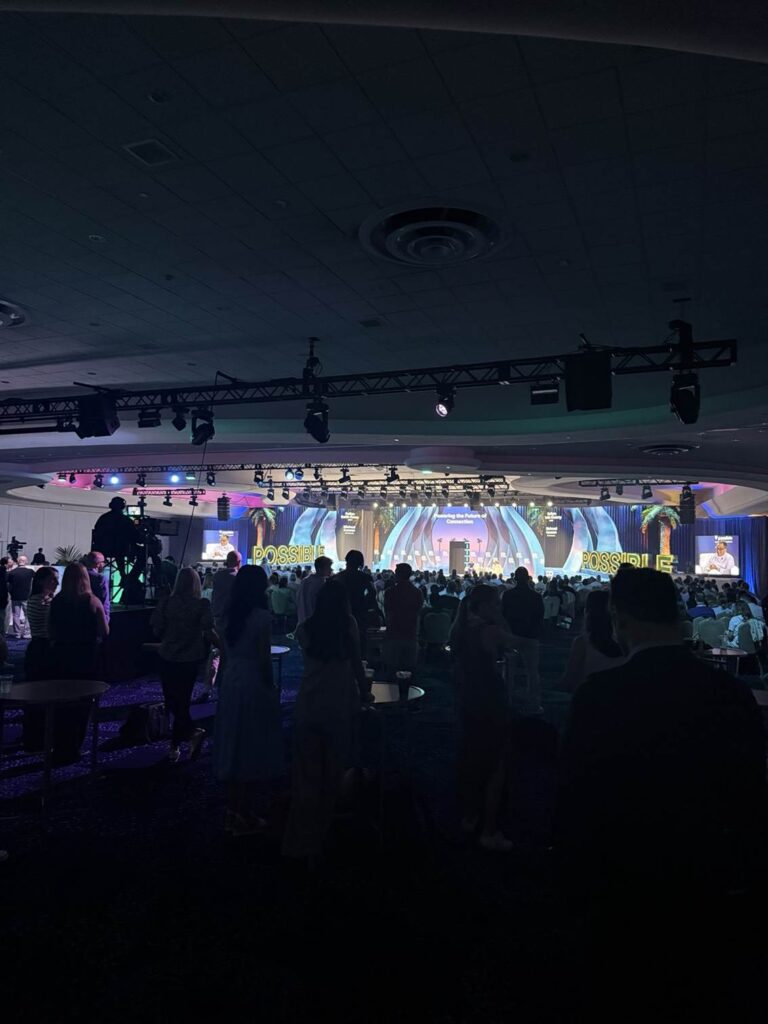
-The main keynote hall filled with over 7,500 attendees at POSSIBLE 2026.-
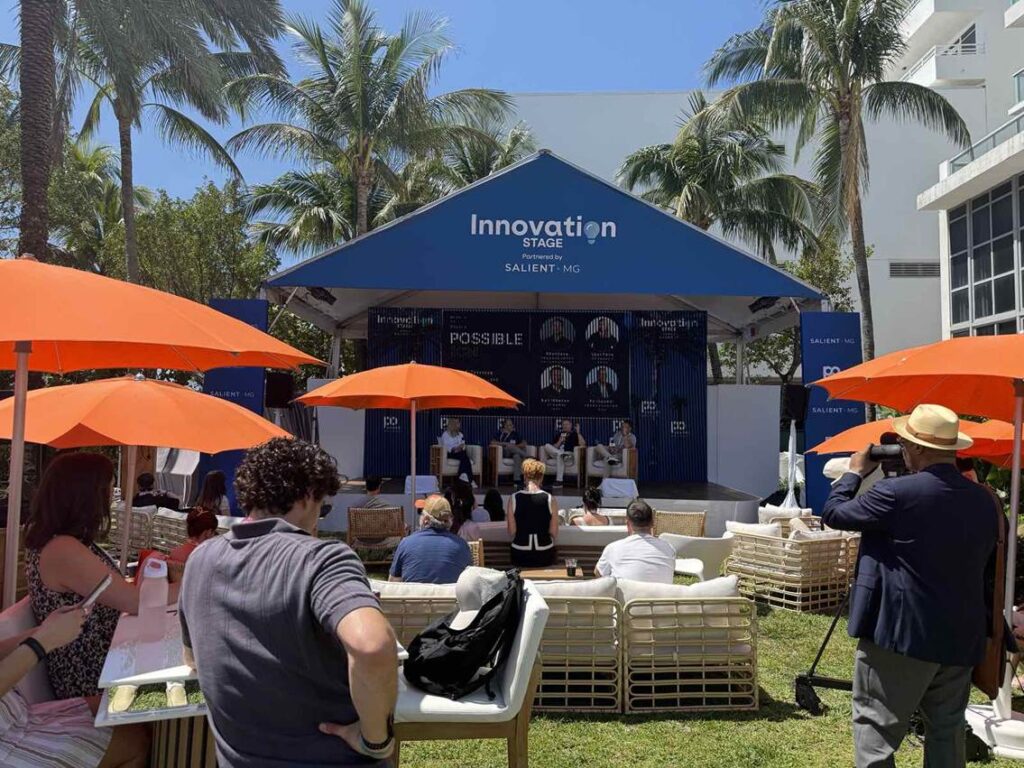
-The newly introduced Innovation Stage at Eden Roc, featuring sessions focused on AI, media, and emerging technologies.-
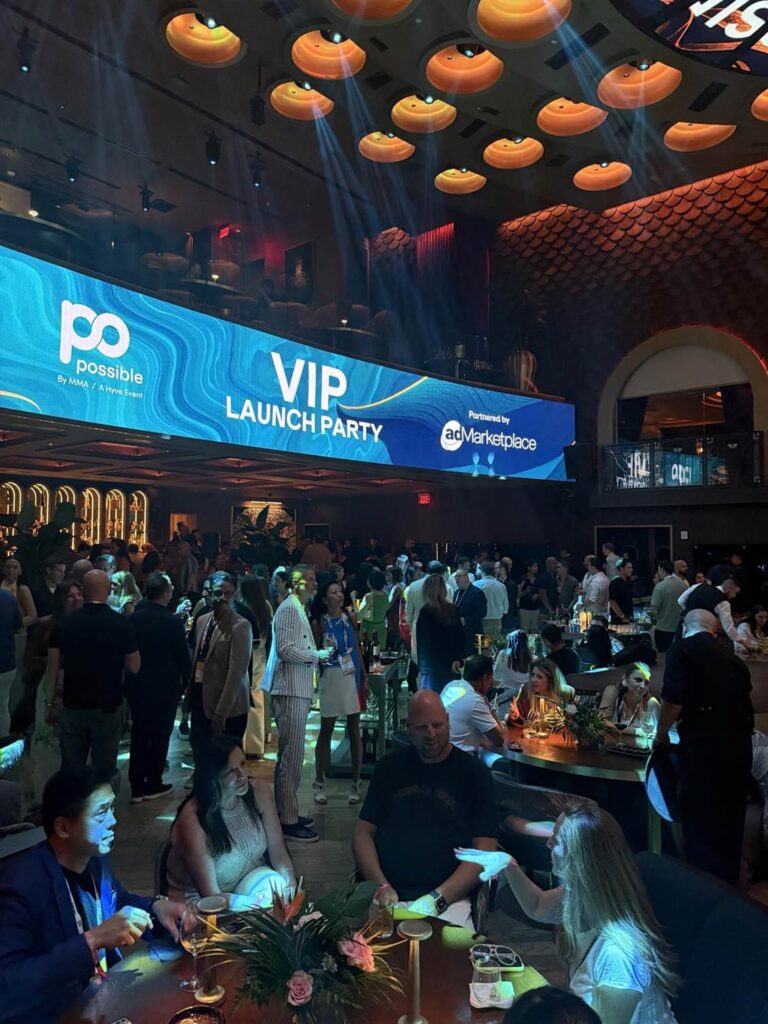
-VIP pass holder networking reception bringing together leaders from across the marketing, media, and technology industries.-

-Early morning beach yoga and wellness activities offered for POSSIBLE attendees.-
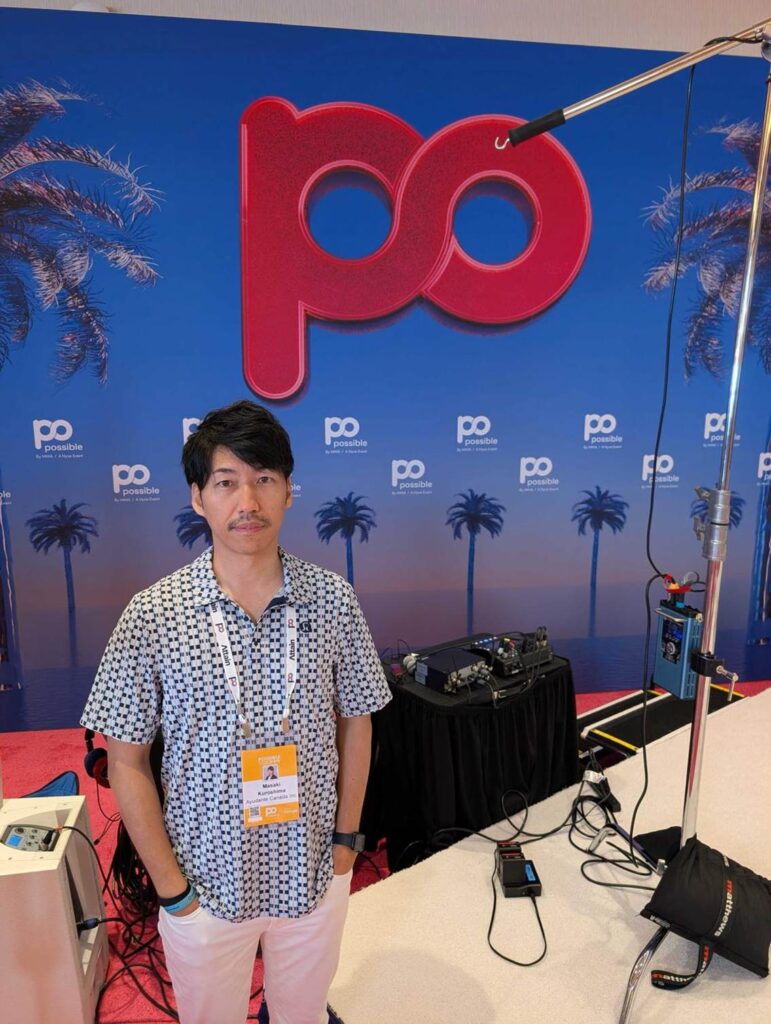
-Me enjoying the Miami sunshine during POSSIBLE 2026.-